
Best Time to See Northern Lights in Russia
- Blogs
- August 4, 2026
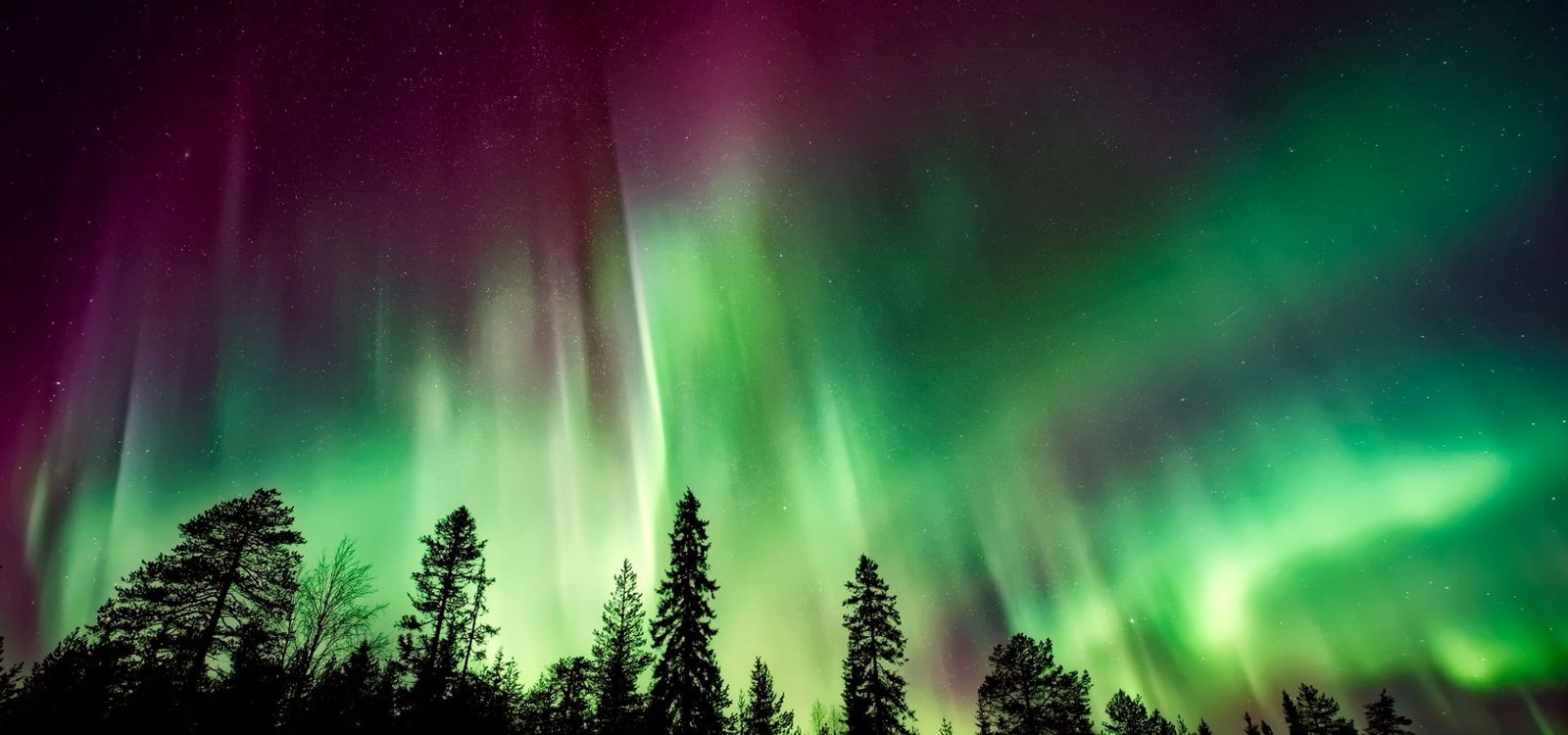
Planning a Northern Lights trip to Russia starts with one key decision—when should you go?
While regions like Murmansk offer some of the best chances to witness the aurora borealis in Russia, timing plays a crucial role. The right month can significantly improve your chances, while the wrong one can leave you waiting under overcast skies.
If you’re still figuring out how the overall trip comes together, our Northern Lights Russia travel guide breaks down destinations, duration, and planning in detail.
When Is the Best Time to See Northern Lights in Russia?
The best time to see the Northern Lights in Russia is from December to February, when nights are longest and aurora visibility is at its peak.
However, the aurora season in Russia runs from late September to March, and each month offers a slightly different balance of visibility, weather, and travel experience.
Northern Lights in Russia: Month-by-Month Guide
September to October (Early Season)
This is the start of the Northern Lights season in Russia.
- Milder temperatures
- Fewer travellers
- Lower but possible aurora activity
This period works well if you want to avoid extreme winter conditions, but sightings are less consistent.
November (Shoulder Season)
November marks the transition into winter.
- Longer nights return
- Increasing aurora activity
- Weather can still be unpredictable
It’s a good option if you’re looking for a quieter experience with improving chances.
December to February (Peak Season)
This is widely considered the best time to visit Russia for Northern Lights.
- Longest, darkest nights
- Highest probability of sightings
- Ideal for first-time travellers
Temperatures in Arctic regions like Murmansk can drop significantly, but in our experience, this is when conditions are most reliable.
March (Best Balance)
March offers a strong balance between visibility and comfort.
- High aurora activity
- Slightly longer days
- More manageable cold
For many travellers, this is one of the most rewarding times to visit.
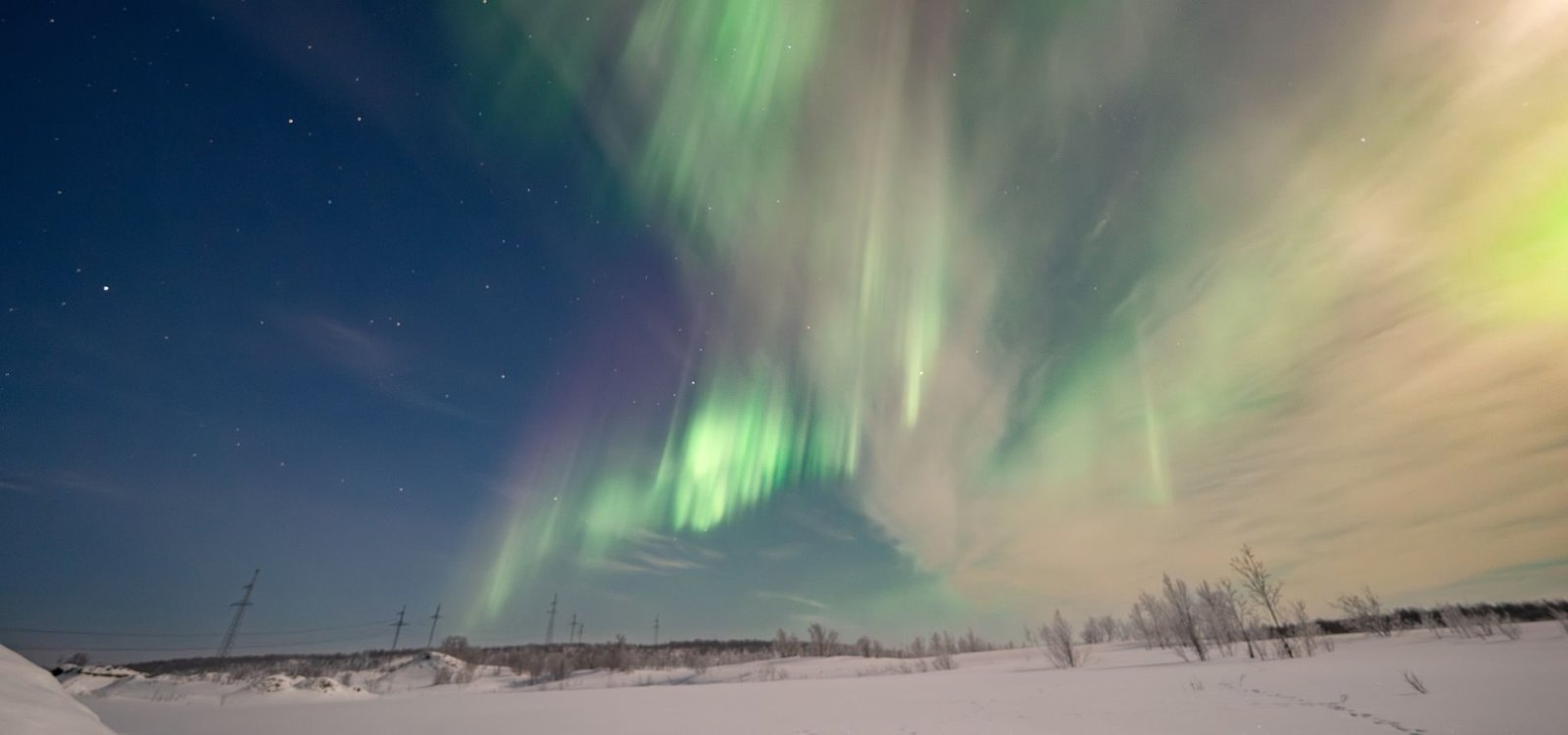
So, When Should You Go?
The right time depends on what matters most to you:
- For the highest chances → December to February
- For a balance of comfort and visibility → March
- To avoid extreme cold → Late September or October
- For fewer crowds → October or November
There’s no single perfect month—just the one that fits your travel style.
How Many Days Do You Need for Northern Lights in Russia?
Even in peak season, sightings aren’t guaranteed—so duration matters.
We recommend spending at least 3 to 4 nights in an Arctic region like Murmansk to improve your chances.
If you’re planning a 5 to 7 day trip, it’s worth combining this with time in Moscow and St. Petersburg. This gives your journey more depth while keeping the Northern Lights as the highlight.
If you’re mapping this out, our Northern Lights Russia travel guide explains how to structure your days across regions.
Can You See the Northern Lights Every Night?
No—and it’s important to plan with this in mind.
The aurora borealis depends on:
- Solar activity
- Cloud cover
- Weather conditions
Even during the best months, sightings are never guaranteed.
What you can do is improve your chances by:
- Travelling within the peak season
- Staying multiple nights
- Keeping your plans flexible
Quick Planning Snapshot
- Best time overall: December to February
- Best balance: March
- Aurora season in Russia: Late September to March
- Ideal Arctic stay: 3–4 nights
Planning the Rest of Your Trip
Once you’ve decided when to go, the next step is preparing for the experience.
If you’re travelling in winter, knowing what to carry makes a big difference. Our guide on what to pack for a Northern Lights trip to Russia covers everything you’ll need for Arctic conditions.
If you’re looking at the broader planning aspects, our Northern Lights Russia travel guide ties together destinations, duration, and how to structure your itinerary.
Russia vs Other Northern Lights Destinations
If you’re comparing destinations:
- Russia (Murmansk) → Less crowded, strong aurora visibility, more offbeat
- Norway → Easier access, but significantly more expensive
- Iceland → Dramatic landscapes, but more unpredictable weather
Russia stands out if you’re looking for a more immersive and less commercial experience.
FAQs Northern Lights
Can you see the Northern Lights every night in Russia?
No. Even during peak season, sightings depend on solar activity and weather conditions. Clear skies and multiple nights significantly improve your chances.
Is March a good time to see Northern Lights in Russia?
Yes, March offers a strong balance of visibility and more manageable weather, making it one of the most underrated months for aurora travel.
What affects your chances of seeing the Northern Lights?
Aurora visibility depends on solar activity, cloud cover, location, and how many nights you spend in the Arctic.
How can you improve your chances of seeing the aurora?
Staying multiple nights in the Arctic, travelling during peak season, and keeping your plans flexible all help improve your chances. That said, timing is just one part of the equation. Factors like cloud cover, solar activity, and how you plan your evenings play an equally important role.
For a more detailed breakdown, you can read our guide on how to maximise your chances of seeing the Northern Lights in Russia, where we go deeper into what actually makes a difference on the ground.
Key Takeaways for a Northern Lights Trip to Russia
Planning a Northern Lights trip to Russia is less about finding the perfect date and more about giving yourself the right window and flexibility.
Once you’ve narrowed down when to go, the next step is bringing the trip together—how many days to spend in the Arctic, how to balance it with cities like Moscow and St. Petersburg, and how to pace the experience overall.
If you’d like to see how this comes together in a real journey, you can explore our 7-night Russia itinerary or the Trans-Siberian journey for ideas and inspiration.