
What to Pack for Russia: Winter & Summer Packing Guide
- Blogs
- August 4, 2026
Russia is not a destination where one packing list works everywhere.
A summer trip to Moscow and St. Petersburg requires a completely different suitcase compared to a winter adventure in Murmansk. Add experiences like chasing the Northern Lights or travelling across Russia by train, and what you pack becomes even more important.
The good news? Packing for Russia does not need to be complicated.
The key is understanding the season, the region, and the kind of experiences you have planned.
If you are planning a winter journey, especially towards the Arctic regions, our complete Northern Lights guide to Russia will help you understand the destinations, conditions, and planning considerations before you travel.
Russia Winter Packing List (Quick Guide)
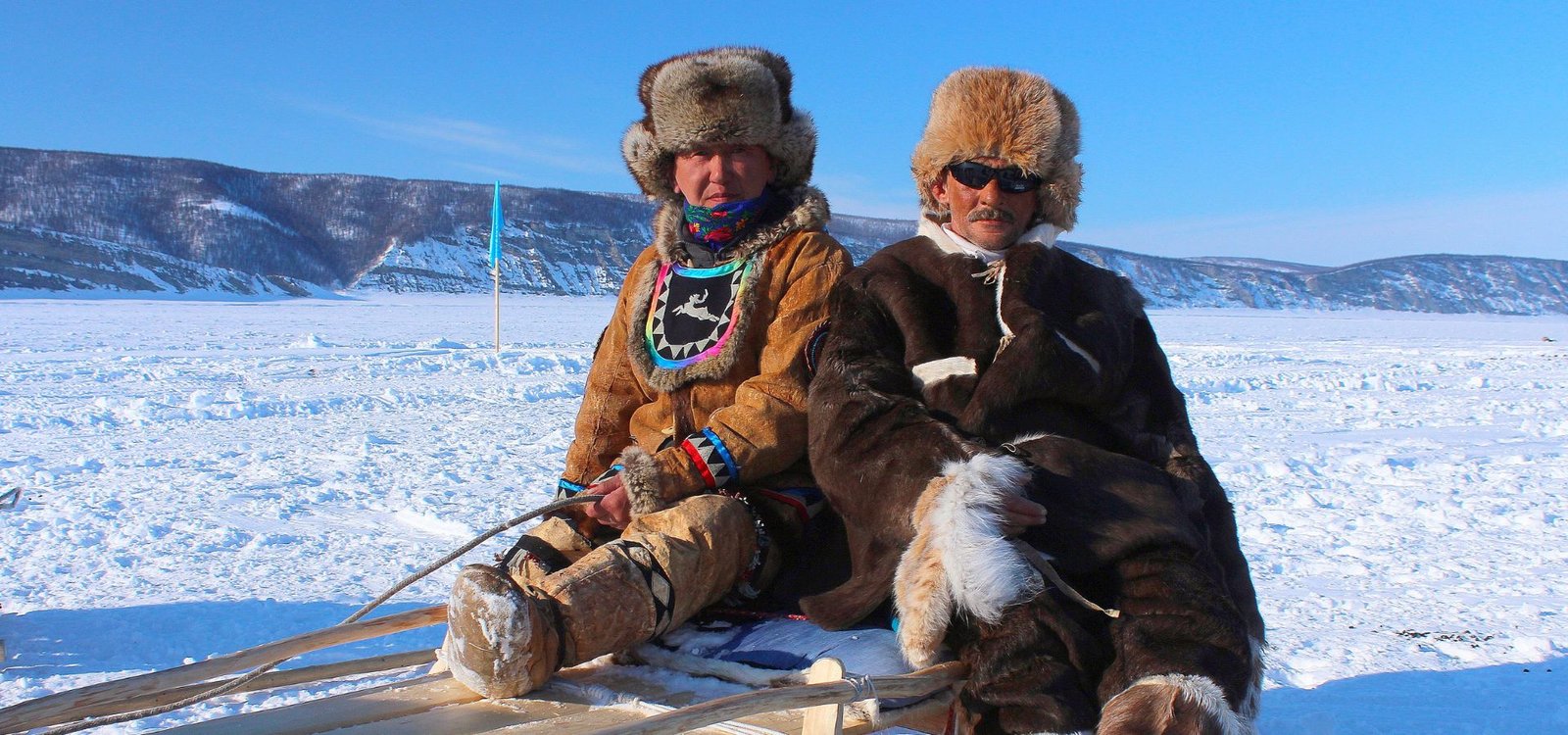
Winter in Russia is not just cold. It is sustained, dry, and often windy cold.
The biggest mistake travellers make is packing based on the winter they experience at home. Russian winters require a proper layering system that keeps you warm outdoors while remaining comfortable indoors.
A good winter packing foundation includes:
- Thermal base layers
- Fleece or wool mid layers
- Insulated jacket or parka
- Waterproof winter boots
- Warm gloves
- Wool or thermal socks
- Winter cap
- Scarf or neck gaiter
Layering is the secret. It allows you to adjust easily between freezing outdoor temperatures and heated indoor spaces.
Essential Winter Clothing for Russia
Layer 1: Base Layers (Don’t Skip This)
A good base layer sits close to your skin and helps retain body heat while managing moisture. This is the most important layer to keep you warm in the biting cold.
For Russia’s winter, pack:
- Thermal tops and bottoms
- Full-length layers
- Breathable fabrics
Avoid cotton thermals. Cotton absorbs moisture and takes longer to dry, which can make you feel colder. For extremely cold destinations like Murmansk, thermals become especially important because Northern Lights excursions often involve spending several hours outdoors at night.
Layer 2: Mid Layers (This Is Your Warmth)
Your mid layer is what traps warmth and keeps your body comfortable.
Good options include:
- Fleece jackets
- Wool sweaters
- Light down jackets
A fleece layer works well for regular sightseeing, while an additional insulated layer can be useful for colder regions or outdoor experiences.
For travellers planning a Northern Lights trip, remember that aurora hunting is different from regular sightseeing. You’ll likely need 2 mid layers at night when you’re out aurora hunting.
Layer 3: Outer Layers (Your Main Protection)
Your outer layer protects you from wind, snow, and freezing temperatures.
Look for:
- Heavy down jackets or insulated parkas
- Windproof outer material
- Hooded designs
- Good coverage around the waist and hips
For cities like Moscow and St. Petersburg, a good insulated jacket works well. For northern regions like Murmansk, where temperatures can fall below -20°C, a heavier parka is often the better choice. A fashionable winter coat may look good in photographs, but if it cannot handle wind and sub-zero temperatures, it will not serve its purpose.
Footwear for Snow and Ice
Regular sneakers are not suitable for Russian winters. You need footwear that can handle snow, slush, Ice and long walking days
Look for:
- Insulated snow boots
- Thick thermal socks + extra socks
- Waterproof exterior
- Good grip
- Enough space for thick socks
For Northern Lights trips, footwear becomes even more important. Standing outdoors on frozen ground for extended periods can quickly make your feet cold. Prioritise warmth and grip over style.
Winter Accessories You Actually Need
Small things, big difference.
Pack:
- Wool beanie
- Insulated gloves or mittens
- Scarf or neck gaiter
- Balaclava (for wind protection)
- Sunglasses (snow glare is real)
Optional but useful:
- Hand and foot warmers
- Lip balm and sunscreen
Packing for Northern Lights and Extreme Cold
If your Russia itinerary includes Murmansk or other northern regions, your packing needs to account for more than just winter sightseeing.
Northern Lights hunting often means being outdoors at night, sometimes for several hours, while waiting for the aurora to appear. Temperatures can drop well below -20°C, and the cold feels sharper when there is wind.
For aurora nights, pack:
- Thermal base
- 2 mid layers
- Heavy outer jacket
- Full accessories
- Insulated boots
Your Northern Lights packing tips for Russia should focus on staying warm while standing still, not just walking around.
If you want to understand how these nights actually work on the ground, read: How to Maximise Your Chances of Seeing Northern Lights in Russia
Russia Summer Packing List
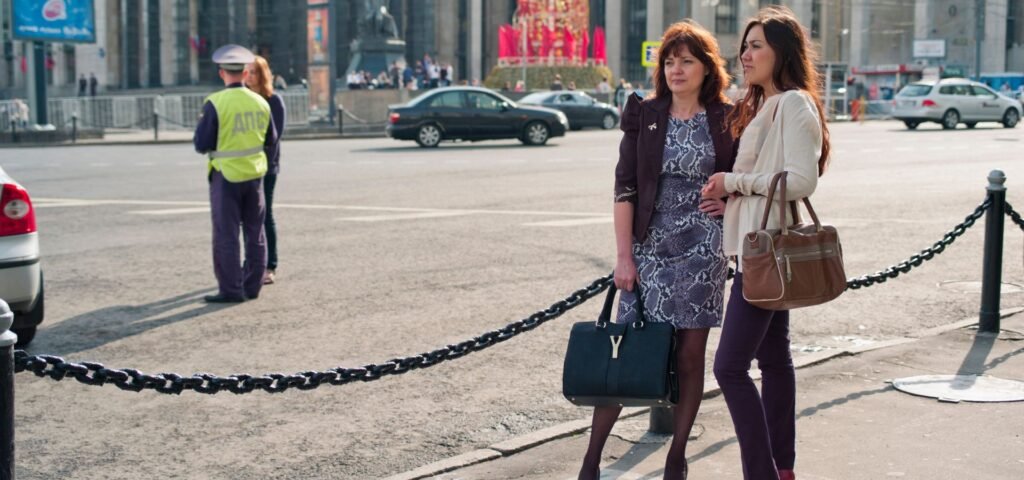
Summer in Russia is much easier to pack for. Cities like Moscow and St. Petersburg experience pleasant temperatures, long daylight hours, and occasional rain showers.
However, Russia is still a walking-heavy destination, so comfort matters.
What to Wear in Russia in Summer
Pack:
- Lightweight shirts and T-shirts
- Comfortable trousers or jeans
- Breathable clothing
- A light jacket or sweater for evenings
Temperatures can change throughout the day, especially near water bodies like the Neva River in St. Petersburg.
A light layer is always useful.
Footwear for Cities and Day Trips
Russia involves a lot of walking. Whether exploring historic neighbourhoods, museums, or city parks, comfortable shoes will make your experience better.
Carry:
- Comfortable walking shoes
- Lightweight sneakers
- One slightly dressier option if required
Avoid carrying too many pairs. A good walking shoe will cover most situations.
Summer Accessories and Essentials
Do not forget:
- Sunglasses
- Sunscreen
- Compact umbrella
- Light rain jacket
- Small day bag
St. Petersburg, in particular, can experience sudden showers, so a small rain layer can be useful.
FAQs: Packing for Russia
What should I pack for Russia in winter?
Pack thermal layers, an insulated jacket, waterproof boots, warm accessories, and clothing that allows you to layer easily.
What should I wear for Northern Lights in Russia?
For Northern Lights trips, carry thermal base layers, insulated outerwear, warm boots, gloves, and face protection. The biggest challenge is staying warm while standing outdoors for extended periods.
How cold does Murmansk get in winter?
Murmansk temperatures can fall below -20°C during winter, especially between December and March. Wind and long outdoor waits can make it feel colder.
Do I need special boots for Russia winter?
Yes. Waterproof insulated boots with good grip are strongly recommended, especially if you are travelling during snowfall or visiting northern regions.
What should I wear in Russia during summer?
Light breathable clothing, comfortable walking shoes, and a light jacket for evenings are usually enough.
Are there additional things I should carry?
These aren’t obvious, but they help:
- Swimwear (for saunas and hot tubs)
- Power bank (cold drains batteries fast)
- Snacks for long outdoor waits
- Indoor shoes for hotels
Pack Smart, Travel Better
Packing for Russia is not about filling your suitcase with everything you own.
It is about understanding where you are going and what you will be doing.
The right layers will help you enjoy winter streets in Moscow, summer evenings in St. Petersburg, long rail journeys across the country, and unforgettable experiences like watching the Northern Lights dance across Arctic skies.
If Russia is on your travel list, our curated journeys are designed to help you experience the country beyond the usual highlights. Explore our Northern Lights journey in Russia or discover the landscapes, cultures, and stories that unfold along our Trans Siberian journey.
Because the best trips are not just about reaching a destination. They are about being prepared enough to enjoy every moment once you get there.