
A Guide to Russia's Northern Lights
- Blogs
- August 19, 2025
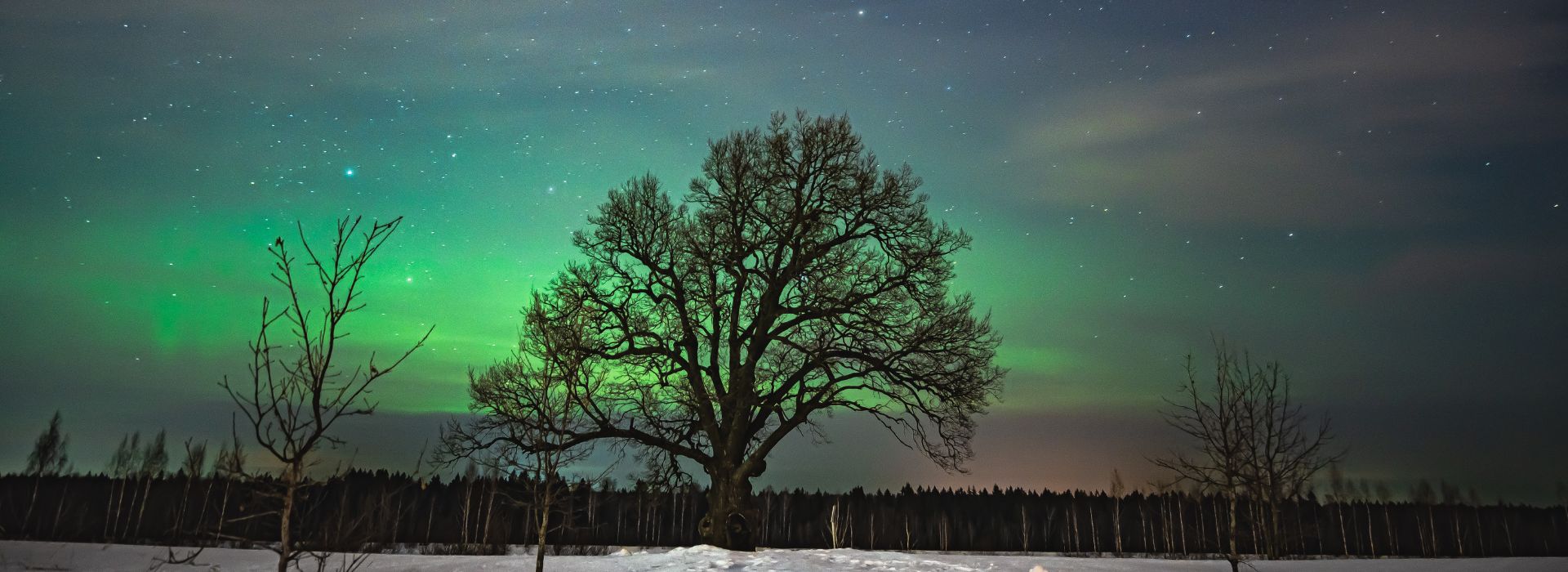
The Northern Lights, also known as the Aurora Borealis, are one of the most breathtaking natural spectacles on Earth, and Russia is one of the best places in the world to see them. Stretching across the Arctic Circle, Russia offers vast, remote landscapes with minimal light pollution, making it an ideal destination for aurora hunting.
Unlike more crowded destinations such as Norway or Iceland, Russia provides a more rugged and authentic experience. Murmansk and Teriberka in the Kola Peninsula and hinterlands of Siberia are particularly famous for their frequent and vivid aurora displays, drawing photographers and adventure travelers from around the globe.
In this guide to Northern Lights in Russia, you’ll discover the best places to see the aurora, the ideal time to visit, and practical tips to make your trip unforgettable.
Best places to see Northern Lights in Russia
Russia’s Arctic belt offers some of the most reliable aurora sightings in the world, thanks to its latitude, long winter nights, and low light pollution. Within this vast region, the Kola Peninsula stands out as the most practical and rewarding base for most travellers.
Murmansk (Best Base for Northern Lights Tours)
Murmansk is the starting point for most Northern Lights trips in Russia.
- Reliable infrastructure (hotels, guides, transport)
- Daily aurora chases to darker locations outside the city
- Consistent departure point for tours
How to get there:
- Fly from India to Moscow, then take a domestic flight to Murmansk (approx. 2–2.5 hours)
- Fly to Moscow, continue to St. Petersburg, and take an overnight train to Murmansk (scenic but longer)
Most sightings don’t happen within the city itself. Guides typically drive out each night to find clearer skies and better activity, which improves your chances significantly.
Teriberka (Best for clear skies and Landscapes)
Located about 2–3 hours away, Teriberka offers a more immersive Arctic setting.
What makes it special:
- Open coastal views along the Barents Sea
- Minimal light pollution
- Dramatic landscapes that elevate the aurora experience
How to get there:
- Located ~2–3 hours by road from Murmansk
- Accessed via guided tours or private transfers
It’s usually planned as a day trip or overnight stay from Murmansk. While it involves some travel, the setting makes it well worth the effort.
Best Time to See Northern Lights in Russia
The best time to see Northern Lights in Russia is between late September and March, when the nights are long and dark enough for aurora activity.
For most travellers, December to February offers the best combination of visibility and frequency, though it comes with harsher temperatures. Clear skies matter more than anything else. Even during peak season, sightings depend on weather conditions, moon phase, and solar activity.
If you’re deciding when to plan this, our month-by-month guide breakdown will help you choose the right month.
What to Expect on a Northern Lights Tour
The Aurora Borealis is a natural phenomenon. It’s unpredictable, and no itinerary can guarantee a sighting. Most guided tours include aurora chasing, where guides track weather conditions and drive to clearer locations.
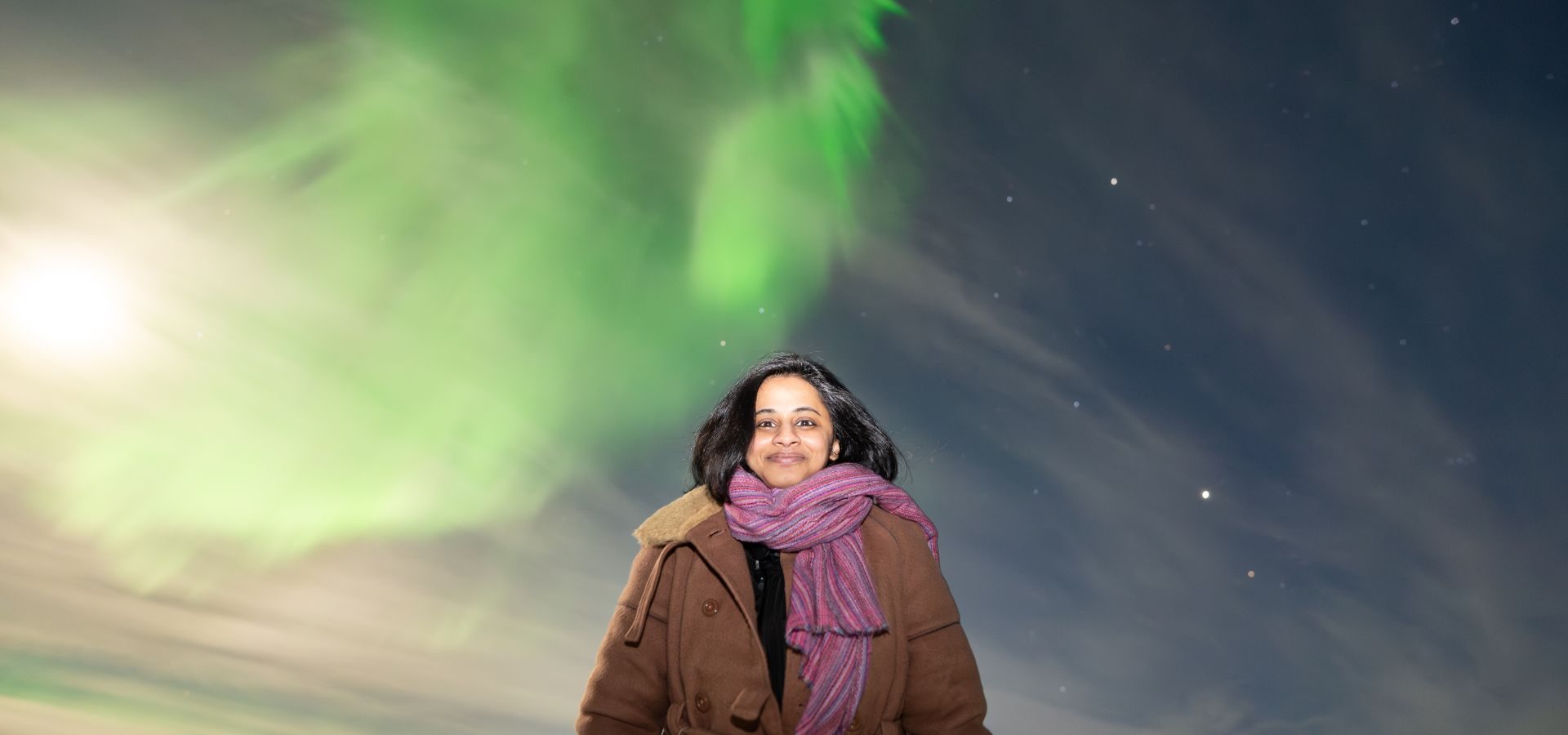
Also important: What you see with your eyes may differ from long-exposure photographs. The experience is still powerful, but expectations should be realistic.
For a clearer understanding of how to improve your chances, read our guide on how to maximise your Northern Lights sightings in Russia.
Northern Lights Trip Planning at a Glance
If you’re trying to quickly assess whether this trip works for you, here’s a simple snapshot:
- Ideal trip duration: 7 to 9 days, typically combining Moscow and St. Petersburg with minimum 3 nights at Murmansk for the Northern Lights experience
- Best time to visit: Late November to early March, with peak conditions from December to February
- Chances of seeing the Northern Lights: While sightings are never guaranteed, planning for at least 2–3 nights of aurora hunting significantly improves your chances
Cost of a Russia Northern Lights Trip
Now that you have a sense of the duration and structure, the next step is understanding what a trip like this typically costs.
The cost of a Northern Lights private trip to Russia from India typically ranges between ₹2,00,000 to ₹3,00,000 per person (depending on group size, hotels, and inclusions)
Key cost factors:
- Flights (major variable)
- Hotel category (3-star vs 4-star)
- Number of aurora chases included
- Private vs group travel
What to Pack for a Northern Lights Trip to Russia
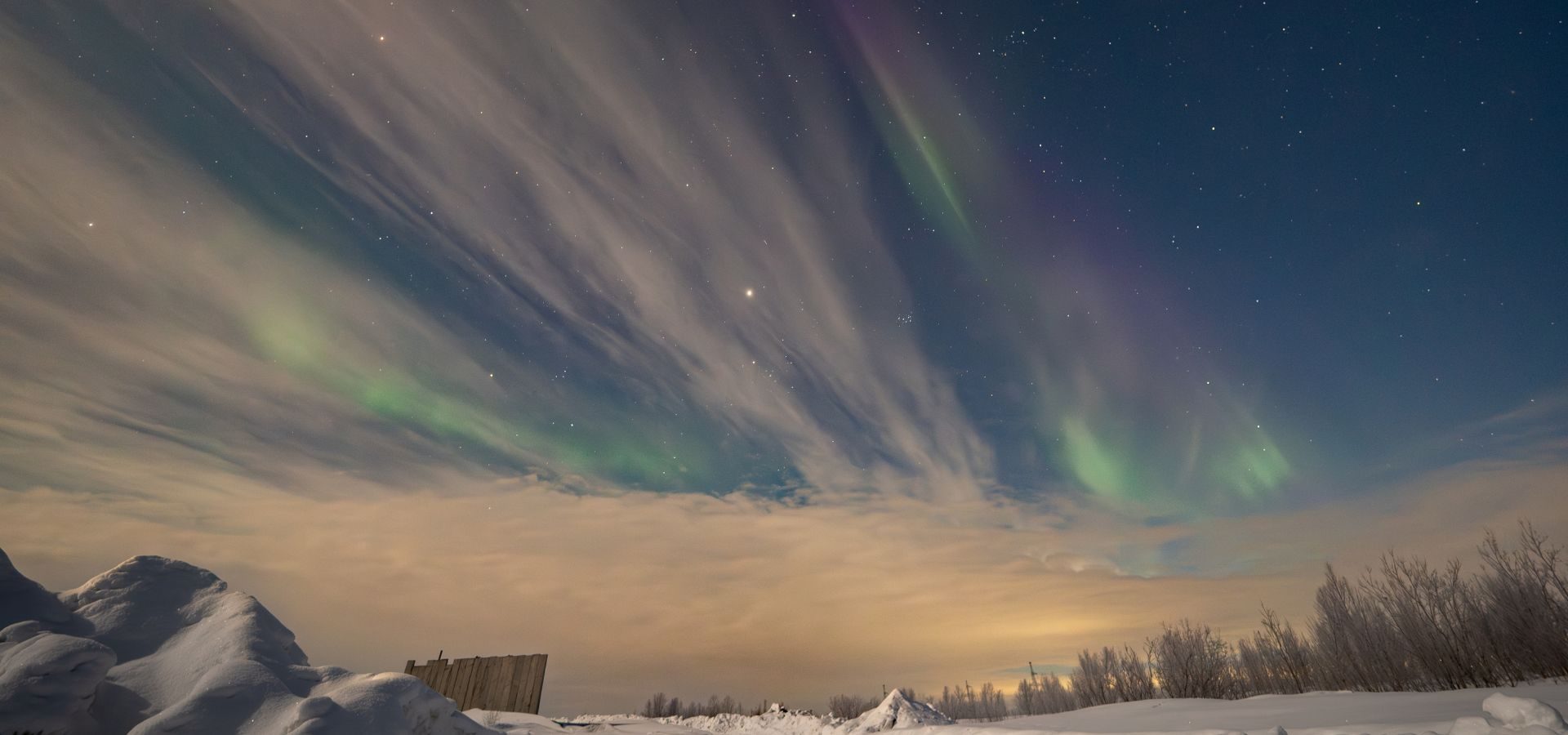
Alongside budgeting, preparing for the Arctic conditions is just as important to ensure a comfortable experience. Packing right can make or break your experience, especially in sub-zero conditions. Temperatures can drop below -15°C, especially during night chases.
Essentials include:
- Thermal base layers
- Insulated jackets (down or equivalent)
- Waterproof boots with good grip
- Gloves, woollen socks, and headgear
For a complete breakdown of what to carry, take a look at our detailed winter packing guide for Russia.
Plan Your Russia Northern Lights Tour with AEJ
Planning a Northern Lights trip to Russia comes down to timing, location, and flexibility—especially when you’re working with something as unpredictable as the aurora.
Having experienced this first-hand, we focus on curating journeys that balance aurora sightings with meaningful time in Russia’s cities and Arctic regions.
If you’d like help planning a trip like this, feel free to get in touch. Alternatively, you can explore our 7-night Russia itinerary or the Trans-Siberian journey for ideas and inspiration.