
How to Maximise Your Chances of Seeing Northern Lights in Russia
- Blogs
- August 4, 2026
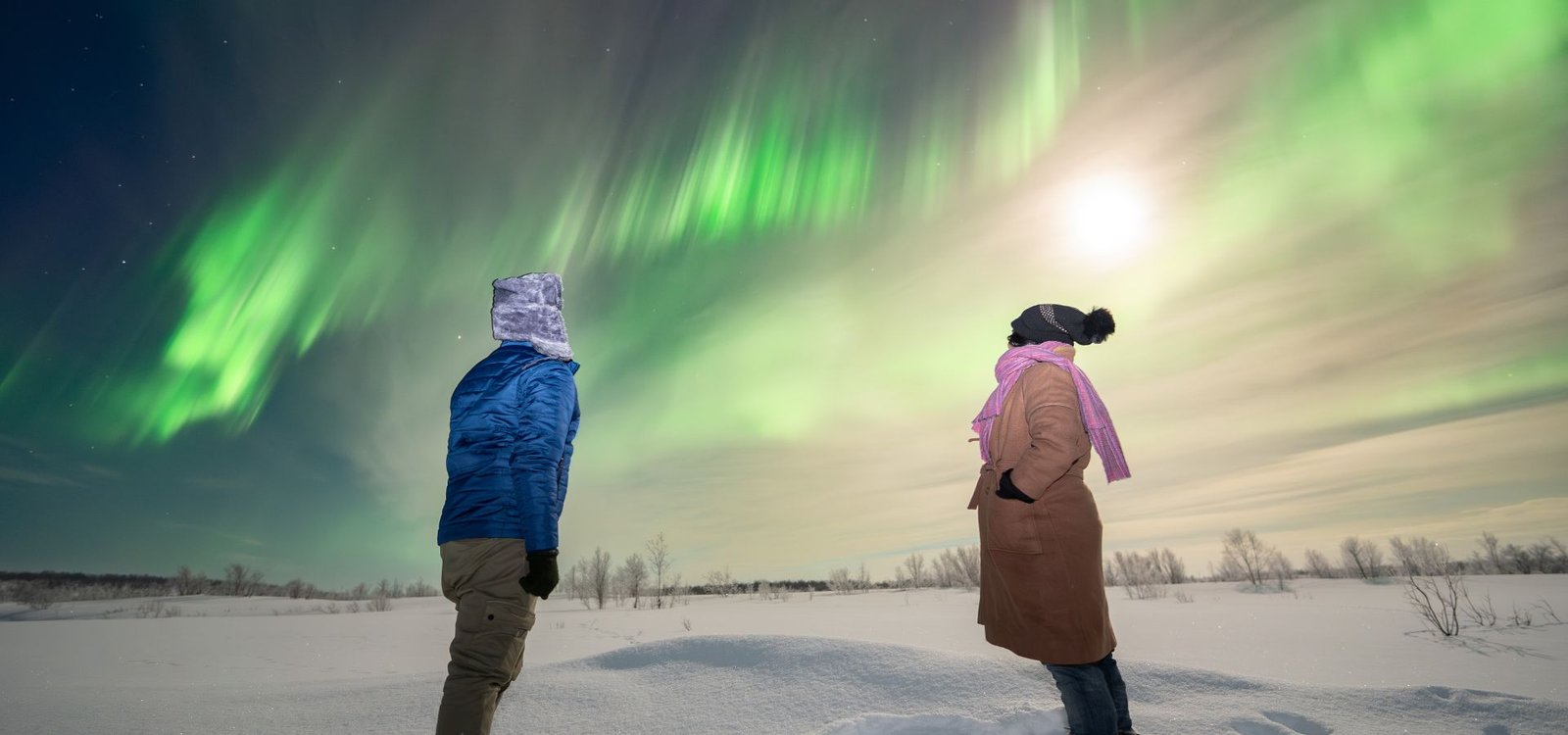
If you’re planning a Northern Lights trip to Russia, timing alone won’t guarantee a sighting. You could be in Murmansk at the right time of year and still miss it. The difference comes down to what you do each night.
In our guide to Northern Lights in Russia, we covered where to go and what to expect. And in the blog on the best time to visit Russia for auroras, we narrowed down the ideal months.
This guide picks up from there. It shows you how to read conditions in real time and improve your chances on the ground in Murmansk and Teriberka.
Why Seeing the Northern Lights in Russia Is Not Just Luck
Murmansk sits under the auroral oval. That already puts you in one of the best places in the world to see the Northern Lights. But visibility depends on more than location.
You need:
- Clear skies
- Some level of solar activity
- Enough darkness
Miss even one of these, and your chances drop. People often blame luck. In reality, it’s about knowing when to step out and when to wait.
Best Time to See Northern Lights in Murmansk + 5 Key Indicators to Check
Before you head out each night in Murmansk or Teriberka, you need to quickly assess a few key conditions. You don’t need technical expertise. But you do need to know what matters and how to read it in context of northern Russia.
Here are the five indicators that will help you decide whether it’s worth stepping out or staying in.
1. Solar Activity (KP Index)
The KP index measures geomagnetic activity, which directly impacts how strong the aurora is. In many destinations, people wait for high KP levels. In Murmansk, that’s not necessary.
Because of its location under the auroral oval even low KP levels (2–3) can produce visible auroras and higher KP increases intensity, not just visibility
What to look for:
- Consistent activity over a few hours
- Not just short spikes
If there’s some activity and the skies are clear, you should go out.
2. Cloud Cover
This is the single most important factor in Russia. Aurora can be active above you, but if the sky is covered, you won’t see anything.
What makes Murmansk interesting is how quickly conditions change. The city might be fully overcast but Teriberka or nearby regions could be clear at the same time. This is why many aurora hunts involve driving out of the city.
What to look for:
- Hourly cloud forecasts, not just daily ones
- Nearby clear patches within driving distance
Clear skies always matter more than higher KP.
3. Darkness
Auroras need darkness to be visible. In Murmansk, this is seasonal:
- September to March offers usable dark hours
- Peak winter (December & January) gives you the longest nights
Even within a single night, darker conditions improve visibility. If you’re still deciding your travel window, refer back to the best time to visit Russia for Northern Lights guide for a detailed breakdown.
4. Light Pollution
Murmansk is a functioning Arctic city, so light pollution is real. This affects how clearly you see the aurora, especially when activity is moderate.
What helps:
- Moving outside city limits
- Heading toward darker areas on the way to Teriberka
- Choosing open landscapes without artificial lighting
Teriberka has a clear advantage here with wide, dark horizons.
5. Time & Patience
Auroras don’t appear on schedule.
There are common viewing windows, but they are not fixed:
- Most activity happens between 9 PM and 2 AM
- But strong displays can happen earlier or later
Auroras rarely appear at full intensity right away. They often begin as a faint glow, build slowly, and then suddenly intensify when conditions align. This is why patience matters. It helps to stay out for at least two to three hours and avoid leaving too early if the sky is clear and activity is building. In many cases, the most memorable sightings come after a long stretch of waiting.
How to use all this information together
Think of this as a simple filter before you step out:
- Clear skies in Murmansk or nearby
- Some solar activity, even if low
- Full darkness
- Ability to move away from lights
If these align, your chances are strong. If cloud cover is blocking visibility, your best move is to relocate, not wait blindly.
Best Apps to Track Northern Lights in Russia (Aurora Forecast Tools)
If you want to improve your chances, you need to check conditions daily. These apps help you do that.
My Aurora Forecast
- Tracks KP index and aurora probability
- Easy to read for beginners
Windy
- Best for checking cloud cover in Murmansk and Teriberka
- Helps you decide whether to move locations
Yr.no
- Accurate local weather forecasts
- Widely used in Arctic regions
Use at least two of these together before heading out.
Aurora Hunting in Murmansk: Do You Need a Northern Lights Tour or Guide?
Why Most DIY Aurora Hunts Don’t Work
Aurora hunting in Murmansk sounds simple until you’re actually out there trying to see the Northern Lights in Russia.
You check the forecast. Pick a dark spot. Wait. And nothing happens.
Because being in Murmansk isn’t enough. You need to be in the right place at the right time. And that window shifts fast across the Kola Peninsula.
This is where most DIY Northern Lights trips in Russia fall apart. Cloud cover moves quickly. A clear sky in Teriberka can mean full overcast just outside Murmansk. Without local knowledge, you’re guessing.
Most travellers either stay too long in the wrong place or move too late
By the time they adjust, the aurora window is gone.
What an Aurora Guide Actually Does
This is where an experienced aurora guide in Murmansk makes the difference.
They don’t rely on static forecasts.
They track:
- Cloud movement in real time
- Aurora activity patterns
- Micro-weather shifts across the Kola Peninsula
And then act on it.
That might mean:
- Leaving Murmansk at short notice
- Driving towards Teriberka
Changing locations multiple times in one night.
This is what real aurora hunting in Murmansk looks like.
The Arctic Reality Most Travellers Underestimate
There’s also the part most travellers don’t plan for.
Driving in Arctic conditions at night is not easy. Icy roads. Low visibility. Long empty stretches.
When you plan a Northern Lights trip in Russia yourself, you’re managing all of this while trying to track the sky. With a guided Murmansk aurora tour, you don’t. You focus on the experience. Someone else handles the decisions.
And that changes everything. You’re not second-guessing where to go or when to move. You’re simply in the right place more often.
And in a destination like Murmansk, that’s what improves your chances of seeing the Northern Lights. If you’re planning this as part of a larger Russia trip, here’s how we structure it across Murmansk and beyond.
Can You See Northern Lights from an Igloo in Murmansk?
Yes, you can see the Northern Lights from an igloo in Murmansk. But you shouldn’t depend on it.
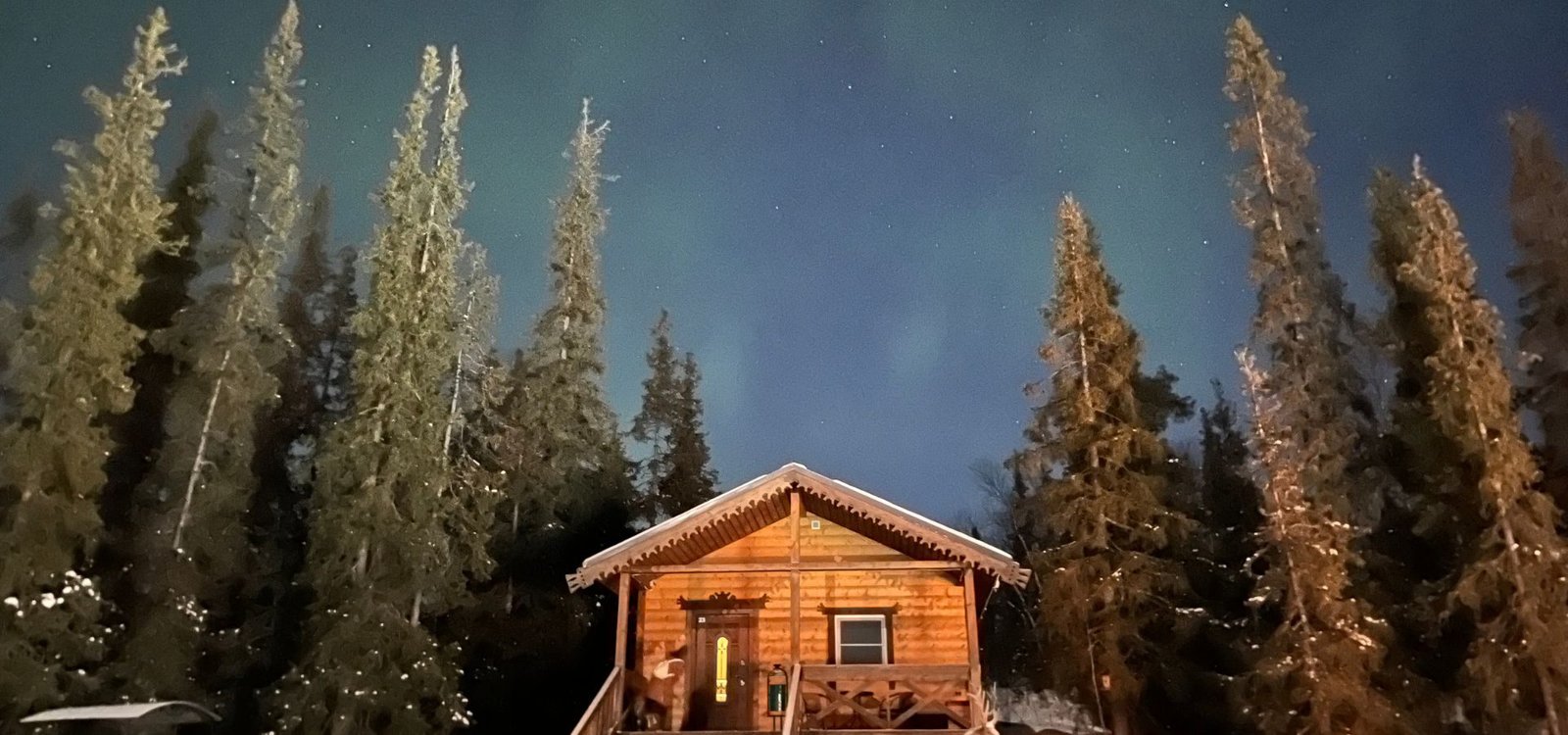
Staying in an igloo in Murmansk is one of the most talked-about Northern Lights experiences in Russia. Glass domes, Snow-covered landscapes, the idea of watching the aurora from your bed. It sounds perfect! And in the right conditions, it can be.
On clear nights with strong aurora activity, you can see the Northern Lights directly from your igloo stay in Murmansk without stepping outside. That’s what makes it so appealing.
If your goal is to maximise your chances of seeing the aurora in Russia, mobility will always matter more than location. And that’s the difference most travellers only realise after they’ve already made the trip.
To sum it up:
Pros
- Unique experience
- Possibility of seeing aurora from your room
- Comfortable in extreme weather
Cons
- Expensive compared to regular stays
- Visibility still depends on cloud cover
- Limited view compared to open landscapes
- Not a substitute for going out on a hunt
If conditions are perfect, igloos work well. But in most cases, you’ll still need to step out or join a tour.
How to Approach an Igloo Stay in Murmansk the Right Way
An igloo stay in Murmansk works best when you treat it as part of a larger Northern Lights itinerary. Enjoy it for the experience. The setting. The comfort. The novelty.
But don’t rely on it as your only chance to see the aurora.
The most effective approach is simple. Combine your igloo stay with a guided aurora hunt in Murmansk. That way, you get the best of both. The comfort of the stay, and the flexibility to go where the sky is clear.
What to Wear for a Northern Lights Tour in Murmansk (Quick Guide)
Aurora hunting in Murmansk means spending long hours outdoors in Arctic conditions, often in sub-zero temperatures across the Kola Peninsula. If you’re not dressed right, you simply won’t last long enough to enjoy the Northern Lights in Russia.
Think in layers. Thermals, insulation, and a proper outer shell to protect against wind and cold. Focus on the essentials. Warm boots, gloves, a hat, and something to cover your face.
That’s what makes the difference.
If you’re heading out with an aurora guide in Murmansk, you’ll also have the flexibility to step in and out of the vehicle to warm up, and most guides carry hot beverages and light snacks.
If you want a detailed breakdown of what to pack for a Northern Lights trip in Russia, we’ve covered that separately.
How to Maximise Your Chances of Seeing Northern Lights in Russia
Seeing the Northern Lights in Murmansk isn’t about luck, it comes down to timing, location, and conditions. You need clear skies, strong aurora activity, and the ability to be in the right place at the right time across the Kola Peninsula. That’s why some travellers miss it entirely while others have incredible sightings.
Murmansk remains one of the best places to see the Northern Lights in Russia, but how you plan your trip makes all the difference. Staying flexible, giving yourself multiple nights, and relying on local knowledge can significantly improve your chances. If you’re planning your trip and want a complete breakdown of routes, timing, and strategy, read our detailed guide to seeing the Northern Lights in Russia.